
Food Fight
Which food deserves the top spot — for all the wrong reasons?
Most poopular
Public votes set the order. #1 is the most pooped.
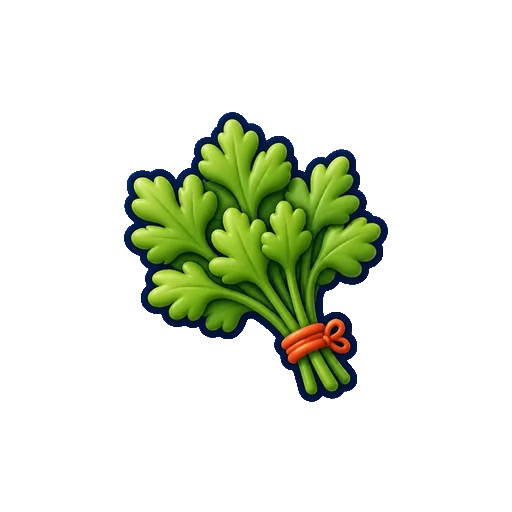
Whether it reads as citrus or as soap is partly genetic: a variant near a cluster of smell receptor genes tracks with the soapy reading.

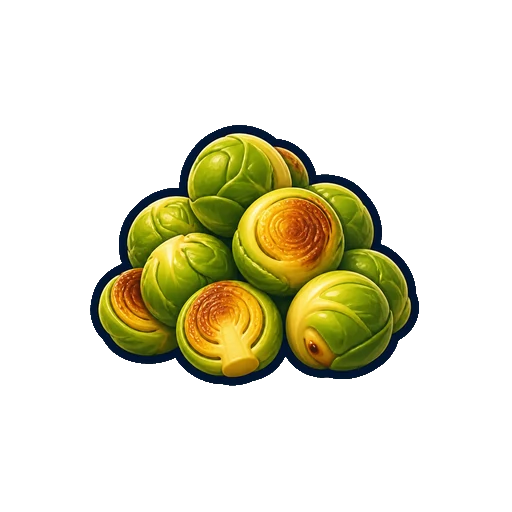
Bred to be less bitter over recent decades, which is why they divide people by age as much as by taste.

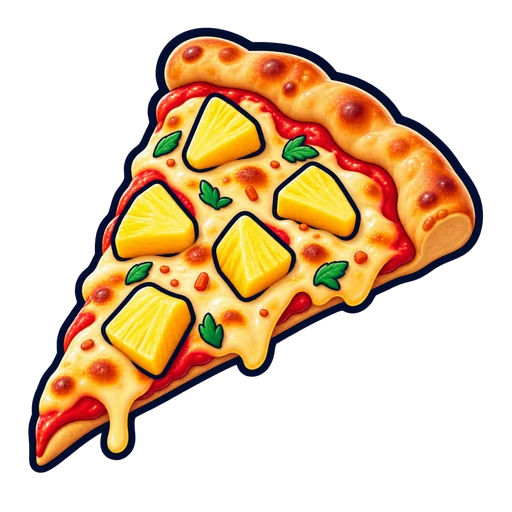
Ham and pineapple, and it comes from Ontario rather than Hawaii — the name was taken from the brand of canned pineapple used.
A by-product of brewing beer. The leftover yeast gets concentrated into a spread, and the original factory bought it from the breweries next door.
Mint and chocolate together. The split between people who want this and people who describe it as toothpaste is close to even.
Banned on the Singapore metro for its smell, with a fine attached. The taste, confusingly, is closer to custard.
Mashed avocado on bread. It became shorthand for a whole argument about money that has nothing to do with the food.

Ground peanuts, and little else in the plain version. The stabilizers exist so it does not separate on the shelf.

Oats blended with water and strained, with enzymes used to break the starch down so it does not taste like porridge.
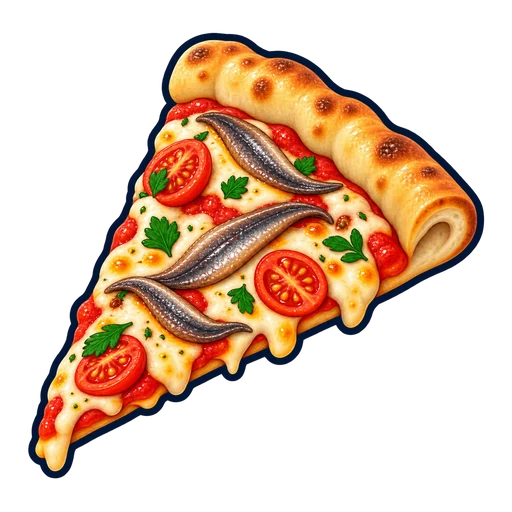
Salt-cured fish that dissolves into the sauce as it bakes, so the flavor spreads further than the fillets do.
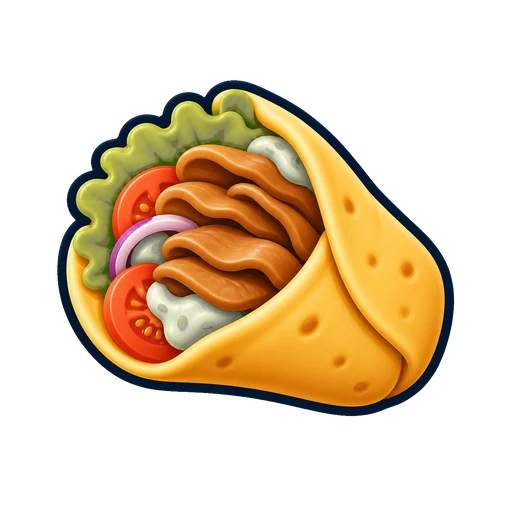
The vertical rotisserie was a 19th-century Ottoman idea, and it is the ancestor of shawarma, gyros and al pastor too.
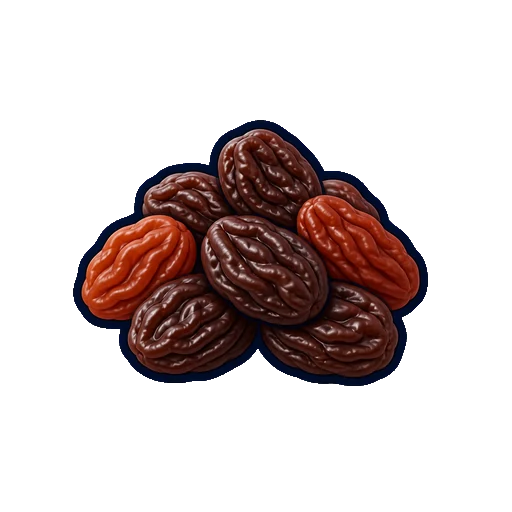
Dried grapes, and the ingredient most likely to be picked out of something by hand.
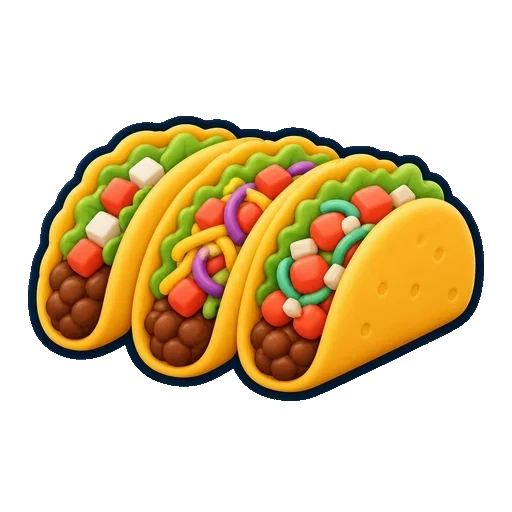
The name may come from Mexican silver miners, who called the paper-wrapped charges they used tacos.
Wheat noodles in broth, with regional styles built around soy, miso, salt or pork bone. The instant version came much later.

Descends from the Austrian kipferl, sold in a Viennese bakery in Paris in 1839. The flaky layering that makes it a croissant came later, and that part is French.
A sausage in a bun, and New York's tax office lists it as a sandwich. A Massachusetts court asked the same question about a burrito and said no.
Quebec, 1950s, and the name is local slang for a mess. The cheese has to be fresh curds: if they do not squeak against your teeth, it is not poutine.

Made since the 1880s in the same three layers, and originally poured by hand one color at a time.
Picked green and ripened with ethylene gas in transit, which is why it can travel across the world and still arrive yellow.
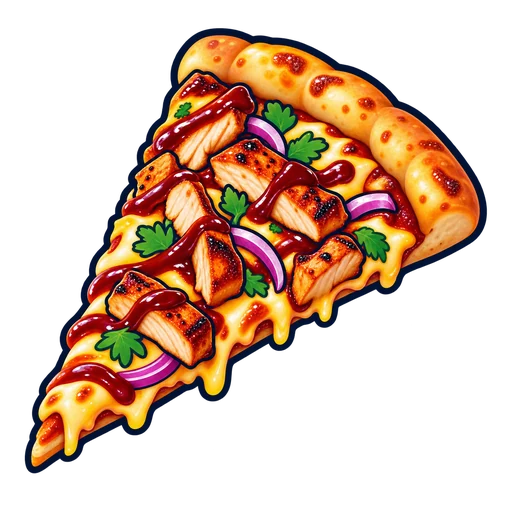
Barbecue sauce instead of tomato, with chicken and red onion. Whether that is still pizza is the whole discussion.
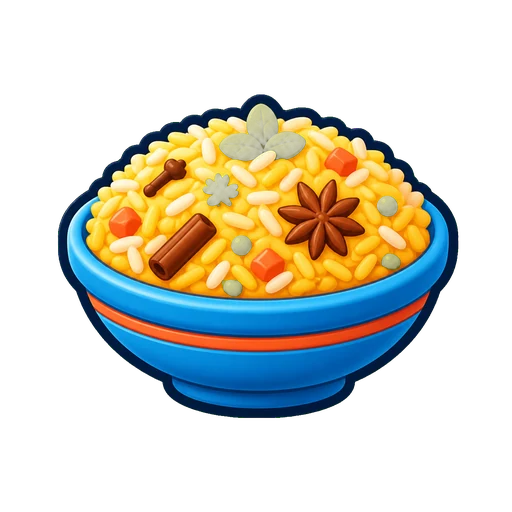
Rice and spiced meat cooked together in a sealed pot so the steam has nowhere to go.
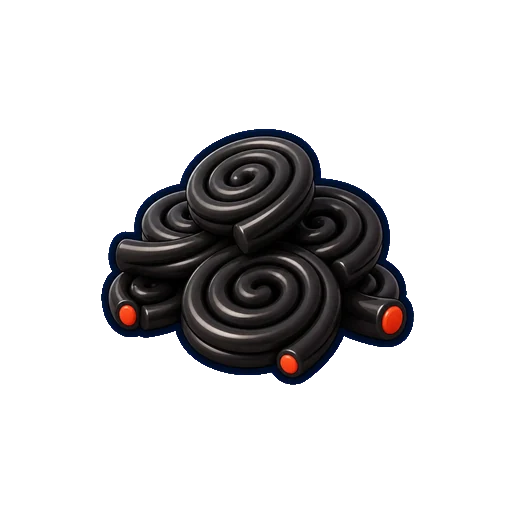
Flavored with licorice root, which is chemically unrelated to anise despite tasting similar.

Tea with milk and chewy tapioca pearls, drunk through a wide straw because the pearls need the room.
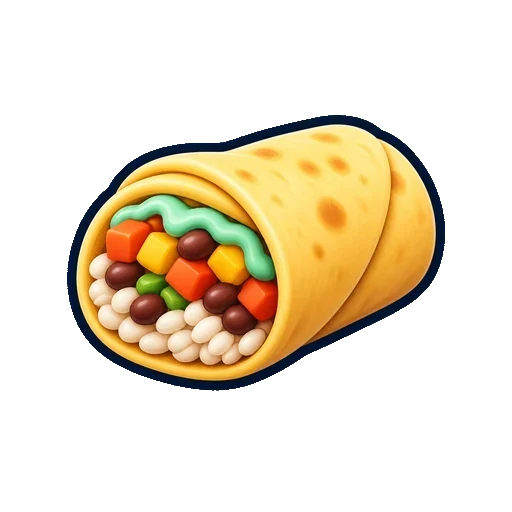
A large flour tortilla wrapped around everything at once, sealed so it can be eaten with one hand.
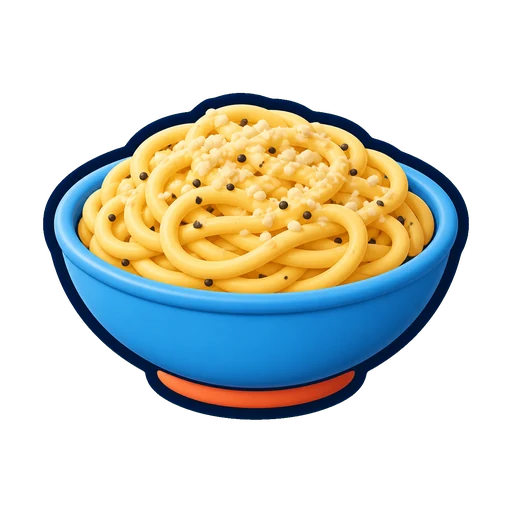
Pecorino, black pepper and starchy pasta water. Three ingredients and a technique that splits into a greasy mess if the pan is too hot.
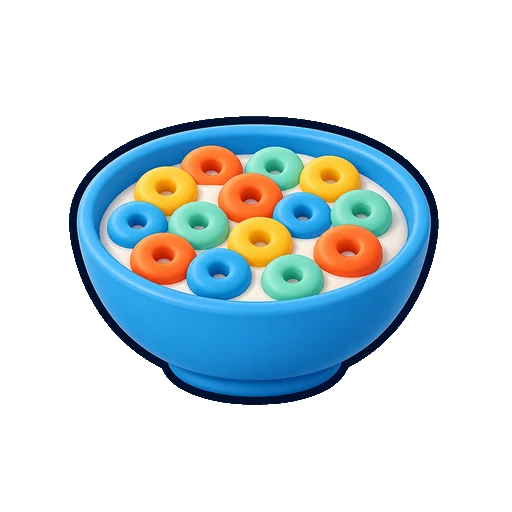
Breakfast on a countdown: the clock starts when the milk goes in and the texture only gets worse.
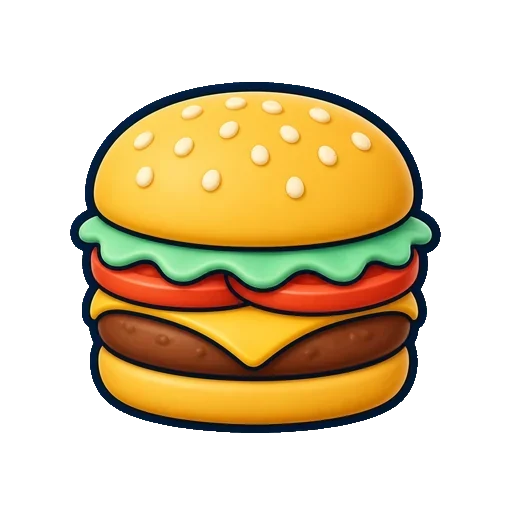
A hamburger with cheese melted on the patty, which is enough of a difference to get its own name and its own defenders.
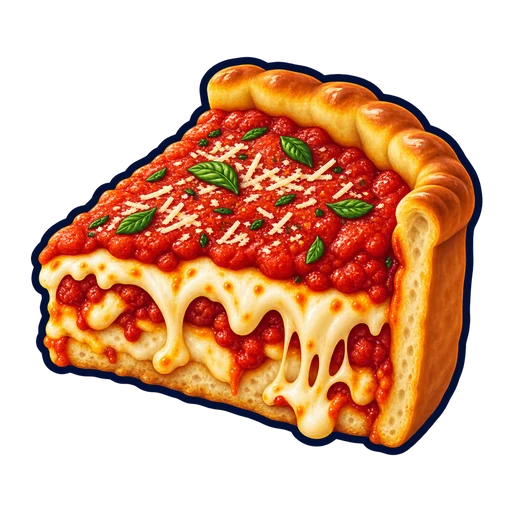
Chicago's version, baked in a pan with the cheese under the sauce so it survives the long bake.
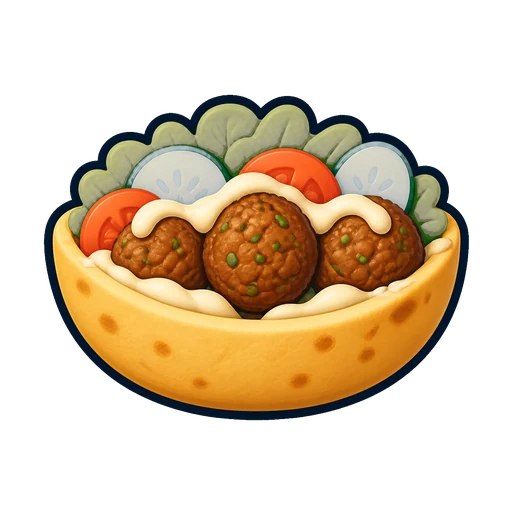
Ground chickpeas or fava beans, fried. The mix is made from soaked raw beans, not cooked ones, or it falls apart.
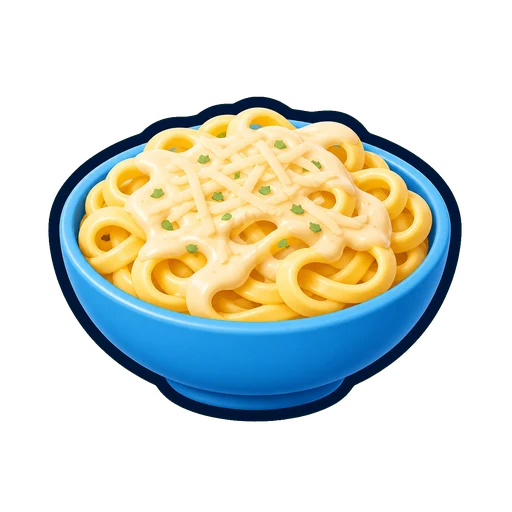
Butter and parmesan in Rome; cream, in the American version that made it famous.
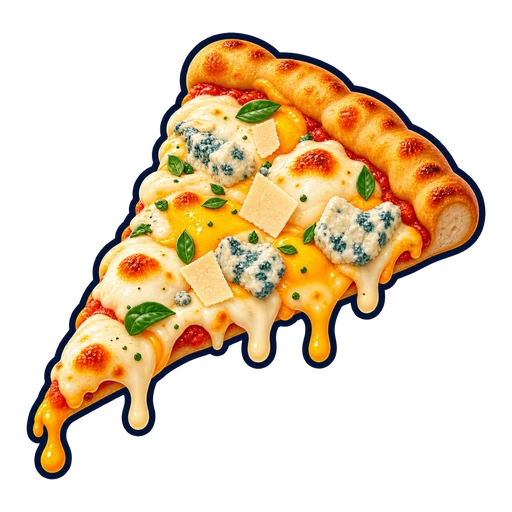
Usually mozzarella for the melt plus three cheeses chosen for sharpness, blue veining and bite.
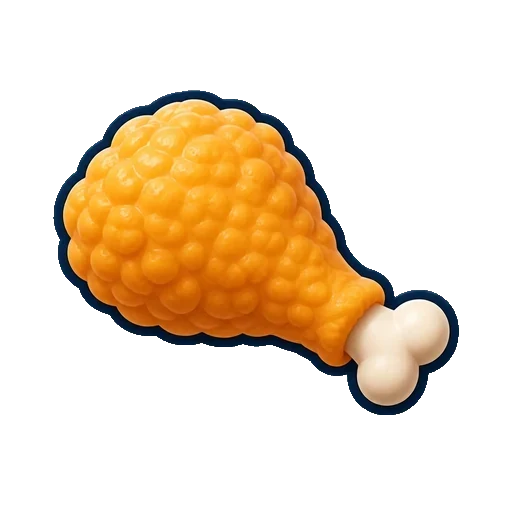
Brined or buttermilk-soaked, then coated and fried. The coating is a texture problem before it is a flavor one.
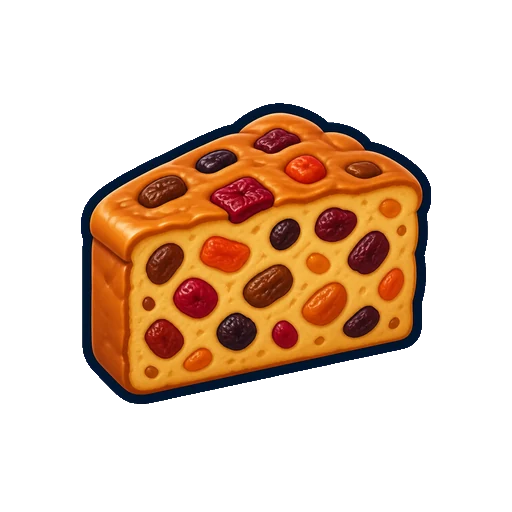
Dried fruit and nuts in a dense batter, often soaked in spirits, which is why it keeps for so long.
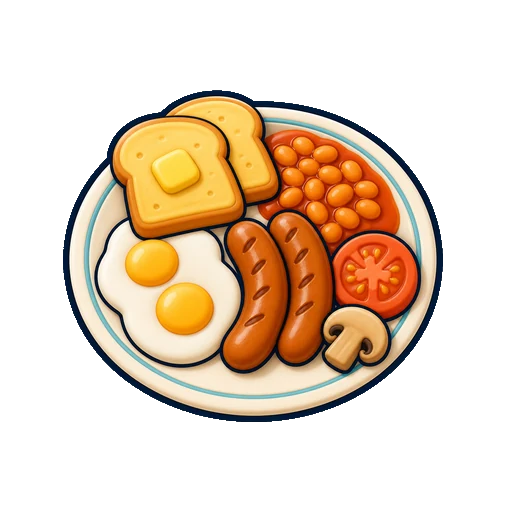
Eggs, bacon, sausage, beans, tomato, mushrooms and toast on one plate. Which items belong is regional and contested.
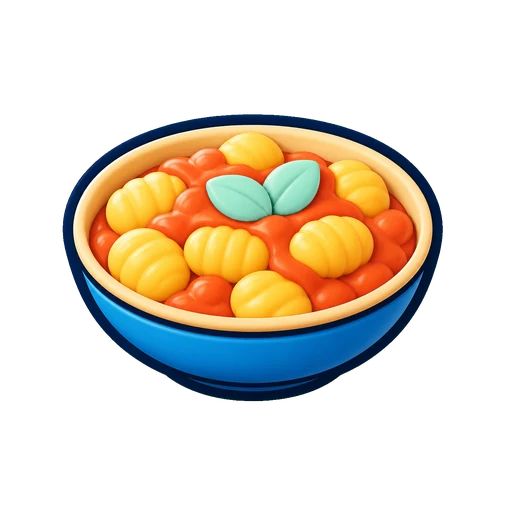
Potato dumplings rather than pasta, and they go heavy the moment the dough is worked too much.
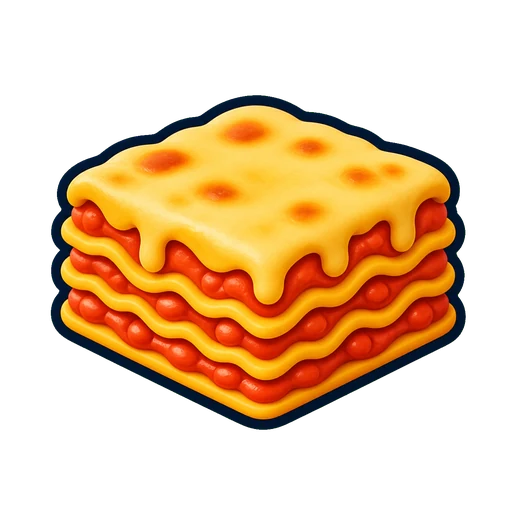
Layers of pasta, ragu and bechamel, baked so the top sheet crisps and the middle stays soft.
Pasta in a cheese sauce, baked or stovetop, and the subject of a permanent argument about breadcrumbs.

An emulsion of oil in egg yolk. It holds together because the yolk keeps the two liquids from separating.

Closer to animals than to plants on the tree of life, and the part you eat is only the fruiting body.
Tortilla chips under melted cheese and toppings, built so that the bottom layer always ends up soggy.
Naples style: a soft, wet center, a puffed rim, and about ninety seconds in a very hot wood oven.
Oats cooked in water or milk. Cheap, filling, and served either as a health food or as dessert with no middle ground.
Inedible straight from the tree: they have to be cured in brine, lye or salt before the bitterness is gone.

Batter cooked on a griddle. Thick and stacked, or thin and rolled, depending entirely on where you are.
Basil, pine nuts, garlic and cheese, traditionally ground rather than blended so the leaves bruise instead of heating.
Vietnamese noodle soup where the broth is simmered for hours with charred onion and ginger before anything else goes in.

Contains an enzyme that breaks down protein, which is why eating a lot of fresh pineapple can make your mouth feel raw.
Tomato, mozzarella and basil, and nothing else. The reference version every other pizza gets compared against.

1–50 of 67
GUILTY PLEASURES HAVE A FIGHT
PAID SUPPORT OR HATETAKE A SIDE IN THE FOOD FIGHT
People have spent real money to defend favorite foods — or pile on the ones they cannot stand.
Real money is in the fight. · One Paid Pass = one real vote.
Get Paid Passes