
Music Styles

Nobody is neutral about a genre.
Most poopular
Public votes set the order. #1 is the most pooped.

Built on the dembow rhythm, a single repeating drum pattern that almost every track shares.


Sung drama with an orchestra, performed without amplification, which is why the voices are trained the way they are.


Korean pop built around groups, with choreography, concept and visual identity treated as part of the release.

A written tradition where the score is the work and performers interpret it rather than improvise it.

The older, cleaner-sounding end of metal, built on riffs and sung vocals rather than growls.

West African pop with layered percussion and melodic vocals — not the same thing as Fela Kuti's Afrobeat, despite the name.
Defined originally by where it was played rather than how it sounded — college radio instead of mainstream stations.

South African house with log drums and long, patient builds where very little happens quickly.

Written to work as an environment: it rewards attention but does not demand it.

Country, folk and blues mixed together, usually with less studio polish than mainstream country.

Jazz played fast with dense chord changes, written for musicians to play to each other rather than for dancing.

Acoustic, fast, and built on banjo, fiddle and mandolin trading solos without any drums.
Built on a twelve-bar pattern and bent notes, and the harmonic ancestor of rock and much of jazz.

Songs written for Hindi films, where the track is part of the screenplay rather than a separate release.

Hard drums and chopped samples, with the name coming from how the kick and snare sound.
A radio format more than a sound: the guitar-led records that stations kept playing until they became a category.

Storytelling over acoustic guitar, fiddle and pedal steel, with a strong Nashville industry around it.

Pop written to work on a dance floor, so the tempo and the drop matter as much as the chorus.

Reggae's faster descendant, built on digital riddims that many different artists record over.

House with softer chords and more space, aimed at mood rather than peak-time energy.

Four-to-the-floor drums with strings, horns and a prominent bass line, written for dancing in a room together.

Electronic music at a walking pace, keeping the production of club music without the tempo.

Guitars drenched in reverb with vocals mixed as another texture rather than the focus.

Sparse, dark beats with sliding 808s, developed in Chicago and reshaped in London.

Broken drum patterns near 170 beats per minute over a slow, heavy bass line.

Half-time drums with a heavy bass line, and a wobble made by modulating a filter in time with the beat.

An umbrella label used mostly by the American festival industry, covering several genres that do not consider themselves the same.

Guitar music with confessional lyrics, named for emotional hardcore and now used far outside that scene.

Guitar, voice and hand clapping from southern Spain, with rhythmic cycles that accent in unexpected places.

Songs passed on and reworked, usually acoustic, with the lyric carrying more weight than the arrangement.
Everything serves the rhythm, the emphasis lands on beat one, and the bass often carries the tune.

Christian worship music with call and response and choral arrangement, and the training ground for a lot of soul singing.
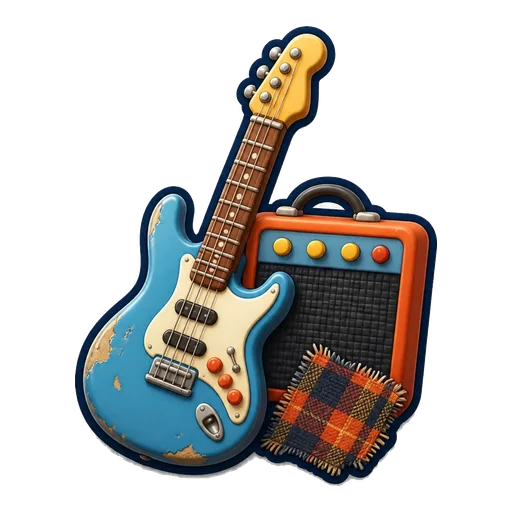
Distorted guitars and loud-quiet-loud structures out of the Pacific Northwest, sold with flannel and no stage clothes.
Heavier and louder than rock, lighter than metal, and the border between all three is permanently disputed.

Rapped vocals over a beat, with the culture around it covering DJing, graffiti and dance as much as the music.

Four-to-the-floor drums around 120 to 130 beats per minute, built for a club rather than for radio.

Pop pushed past its own limits: clipped, pitched-up vocals and deliberately artificial production.

Pop melodies with the production restraint of indie rock, usually lighter and less distorted than its siblings.

Named for independent labels, then kept the name long after the bands signed to major ones.

Japanese pop, usually dense in arrangement and tied closely to anime, advertising and television.

Improvisation over agreed harmony, so the same tune is never played the same way twice.

Pop sung in Spanish or Portuguese, borrowing whatever rhythm is moving at the time.

Instrumental beats with tape hiss and vinyl crackle left in, made to be background rather than foreground.

Distorted guitar, heavy drums, and a family of subgenres that treat their differences very seriously.

Soul played with live instrumentation and looser timing, borrowing chord voicings from jazz.

Metal crossed with hip-hop and funk, with downtuned guitars and, often, a turntable in the lineup.

Built for the widest possible audience, which is why it absorbs whatever else is working at the time.

Punk's speed with pop's choruses, which is why it charts and why purists complain.


1–50 of 63
COMMUNITY SUPPORT
PAID SUPPORT OR HATEDEFEND OR BURY YOUR FAVORITE SOUND
People have spent real money to defend the sounds they love — or pile on the ones they cannot stand.
Real money is in the fight. · One Paid Pass = one real vote.
Get Paid Passes