
Animal Kingdom
Nature had a plan. Not everyone agrees with it.
Most poopular
Public votes set the order. #1 is the most pooped.
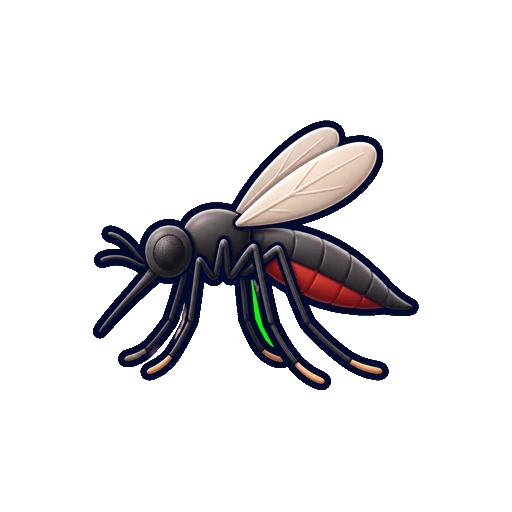
Only the females bite. The diseases they carry make the mosquito the deadliest animal on earth for humans.

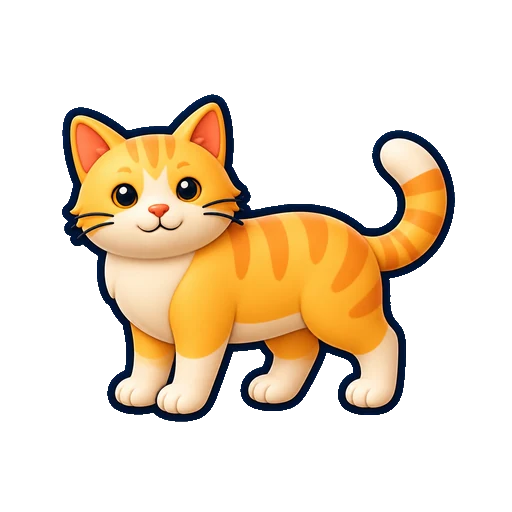
Cannot taste sweetness. The gene for the sweet receptor is broken in cats, from house cats to tigers.
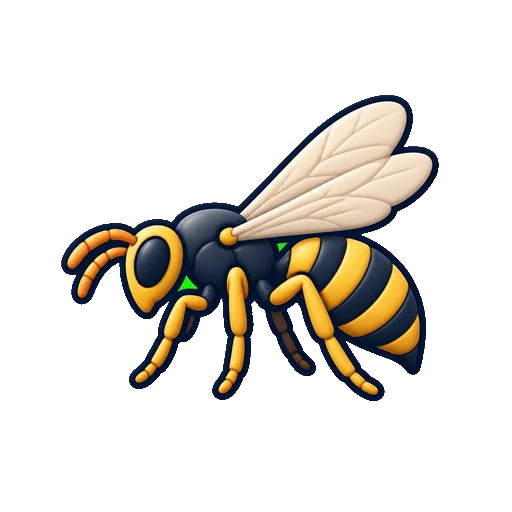
Unlike a honeybee, it can sting again and again: its sting has no barb, so nothing gets left behind.
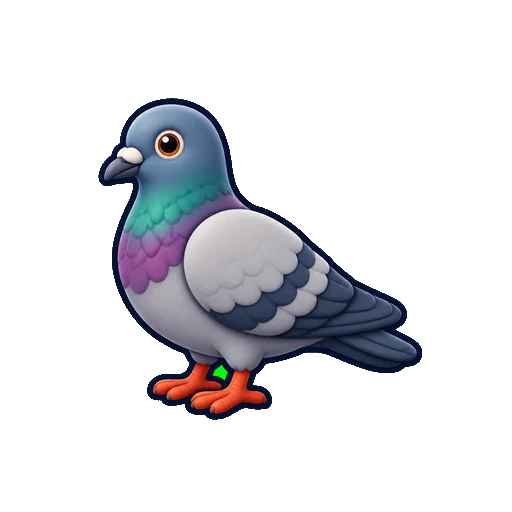
The racing bird, the message carrier and the one in every city square are the same species, changed only by who was looking after it.
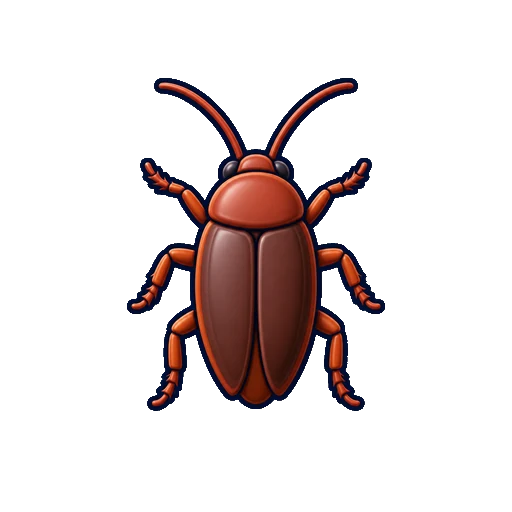
Can keep going about a week without its head — it breathes through its body, and dies of thirst rather than the injury.
Drinks seawater. Glands above its eyes strip out the salt and drip it back out through its nostrils.
The teeth are not teeth: they are serrations of cartilage on the beak and tongue, for tearing grass. It does not make them friendlier.
Smells with its tongue. The fork is what lets it tell which side the scent is stronger on, and so which way to go.

No brain, no heart, no blood. One species can revert to its juvenile form over and over, which is why it gets called biologically immortal.
Tastes with its feet, and cannot chew — it spits enzymes onto food to dissolve it, then sponges the liquid back up.
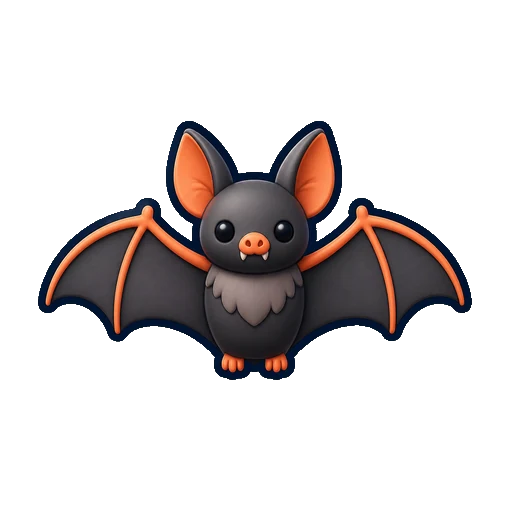
The only mammal that flies rather than glides, and most species navigate by echo rather than sight.
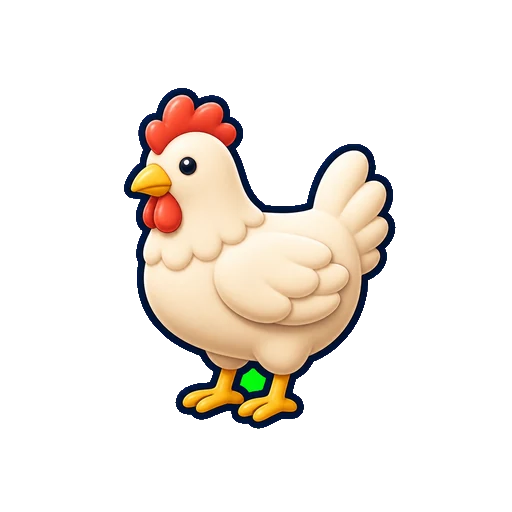
Descended from jungle fowl in Southeast Asia, and now farmed on every continent except Antarctica.
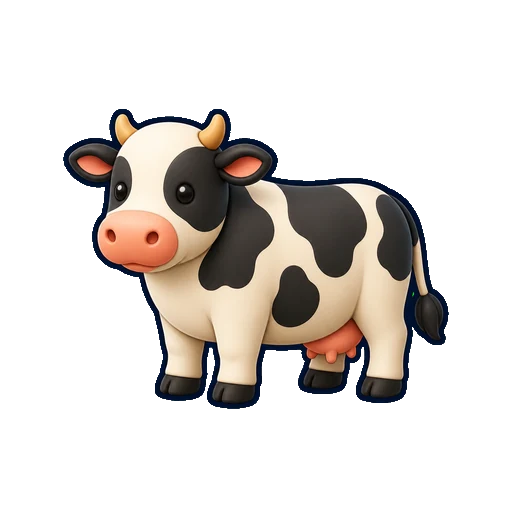
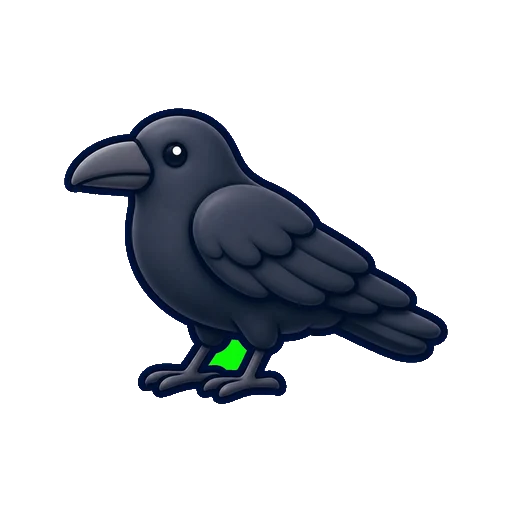
Sleeps with half its brain at a time, because breathing is a decision it has to keep making.
Bred for load rather than speed, with hearing wide enough to pick up another donkey miles away.
Uses its trunk as a nose, hand and hose. The two African species and the Asian one are more distantly related than they look.
Pink from the pigments in what it eats. Raised on a different diet, it stays white.
An amphibian, not a reptile: it breathes partly through its skin, which has to stay damp.
Has the same number of neck vertebrae as a human — seven — just enormously elongated.
Also has rectangular pupils, and a climbing ability that regularly puts it on walls and in trees.
Cannot make its own vitamin C, so it has to get it from food — a trait it shares with humans.

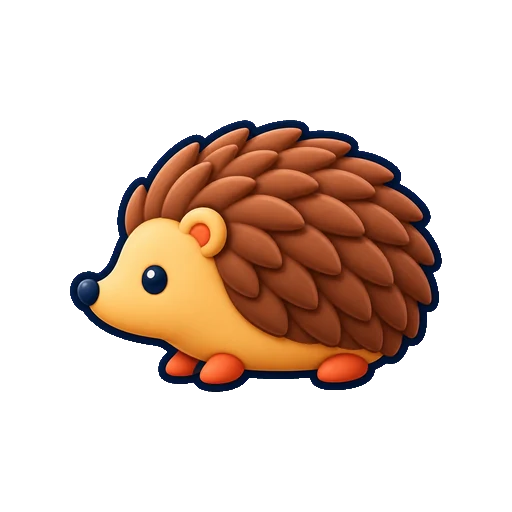
Rolls into a ball with about five thousand spines outward. The spines are modified hairs, not quills.
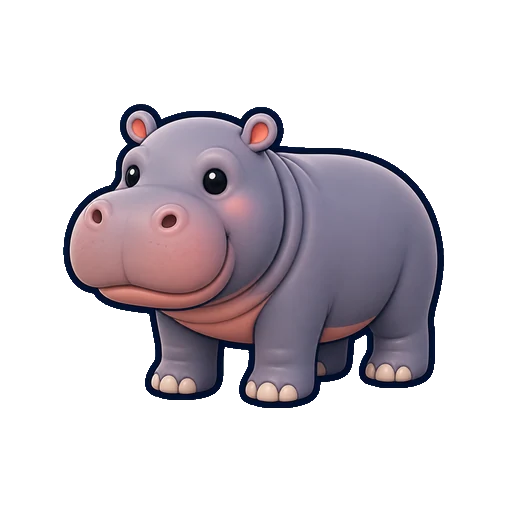
Spends the day in water and grazes on land at night. It cannot actually swim; it walks along the bottom.
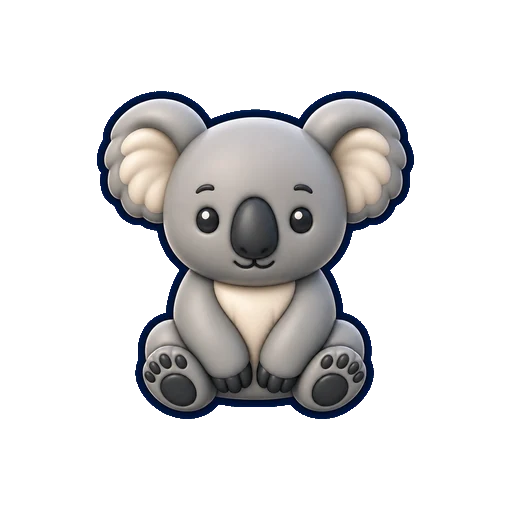
Eats eucalyptus, which is low in energy and mildly toxic, so it sleeps most of the day to afford the diet.
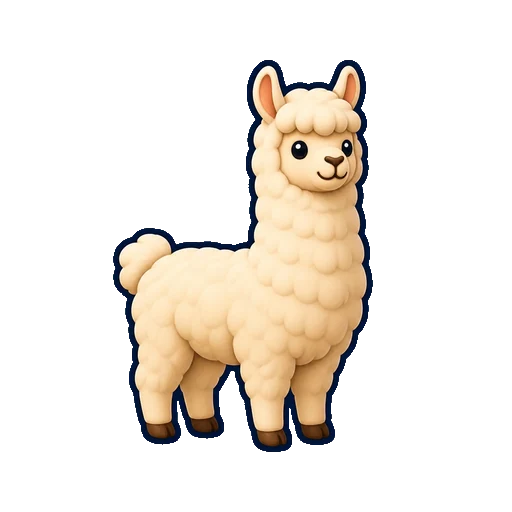
A domesticated camelid used for carrying, and it spits mainly at other llamas over rank.
Tastes with its feet and chews with its stomach, and its blood runs blue because it carries copper.
Navigates by keeping a light at a constant angle, which is why an artificial one sends it into a spiral.

Has three hearts and neurons spread through its arms, so a lot of the processing happens away from the head.

A dolphin despite the name killer whale, and pods hunt with techniques passed between generations.
Uses stones as tools to crack shellfish, and some species hold hands while sleeping so they do not drift apart.
Cannot move its eyes in their sockets, so it turns its whole head instead — up to about 270 degrees.

Wings evolved into flippers, which makes it excellent underwater and permanently grounded.
Cannot sweat, so it rolls in mud to cool down — the same reason it has a reputation for being dirty.
Has hands dexterous enough to open latches, and a habit of handling food in water before eating it.
Buries far more food than it recovers, which makes it an accidental planter of trees.
Named after the country by mistake: European traders associated the bird with routes through Turkey.
The shell is fused to the spine and ribs, so it is skeleton rather than housing and cannot be left behind.
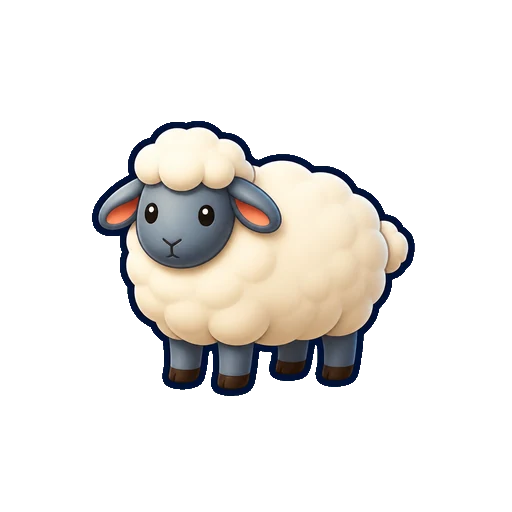
Has rectangular pupils, which widen its field of view to close to a full circle without turning its head.
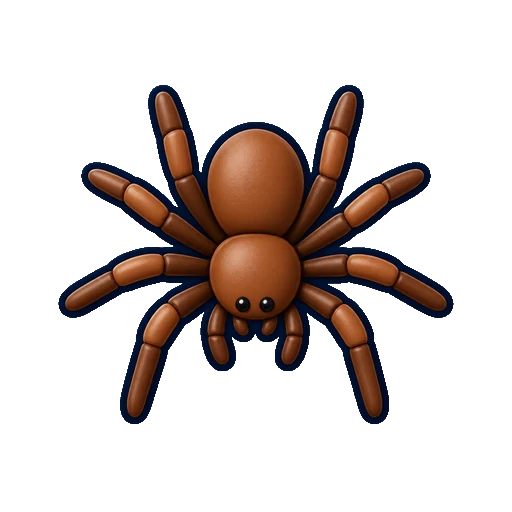
Spider silk beats steel on strength for its weight, though not in absolute terms — and nobody has worked out how to farm it.

1–50 of 54
THE WILD HAS A FIGHT
PAID SUPPORT OR HATEPICK A SIDE IN THE WILD
People have spent real money to defend favorite animals — or pile on the ones they cannot stand.
Real money is in the fight. · One Paid Pass = one real vote.
Get Paid Passes